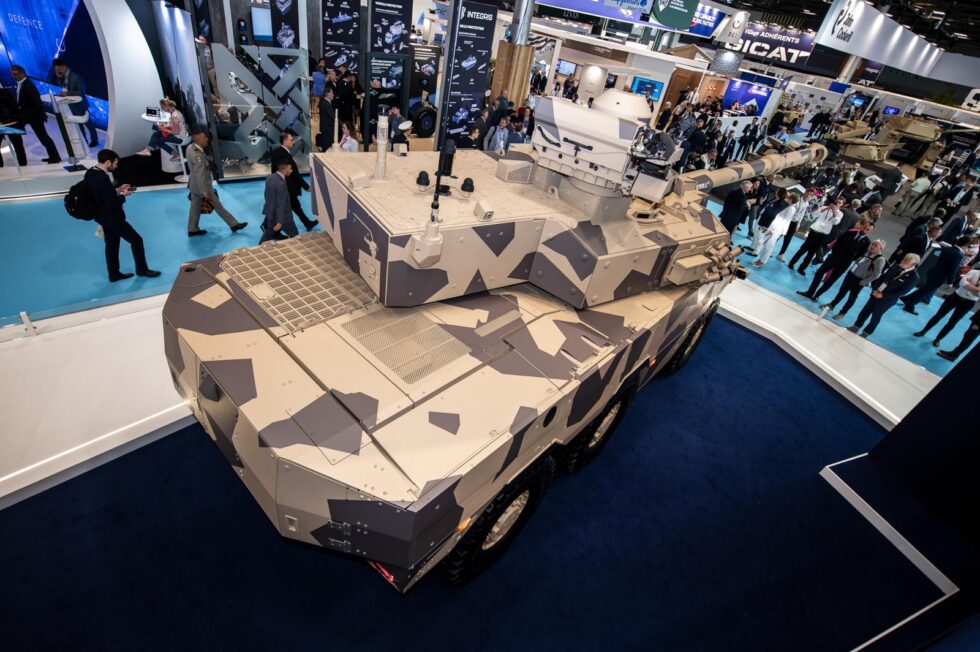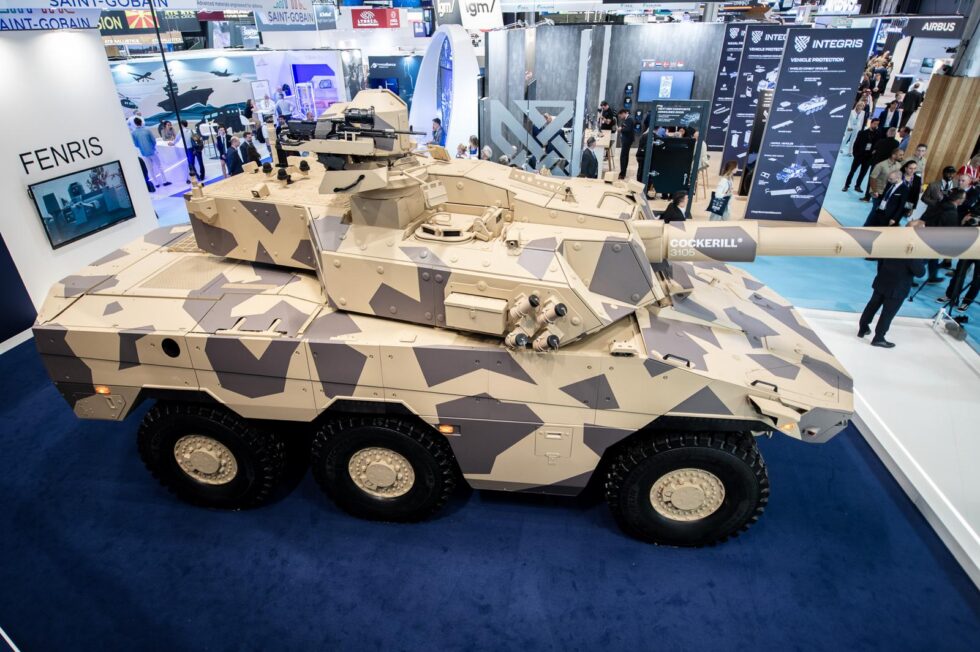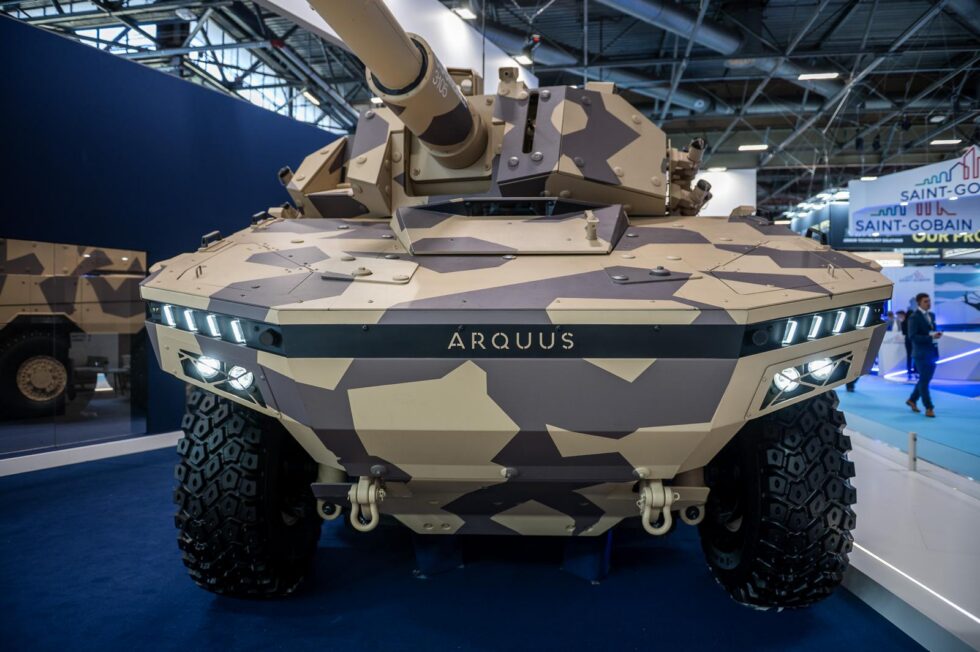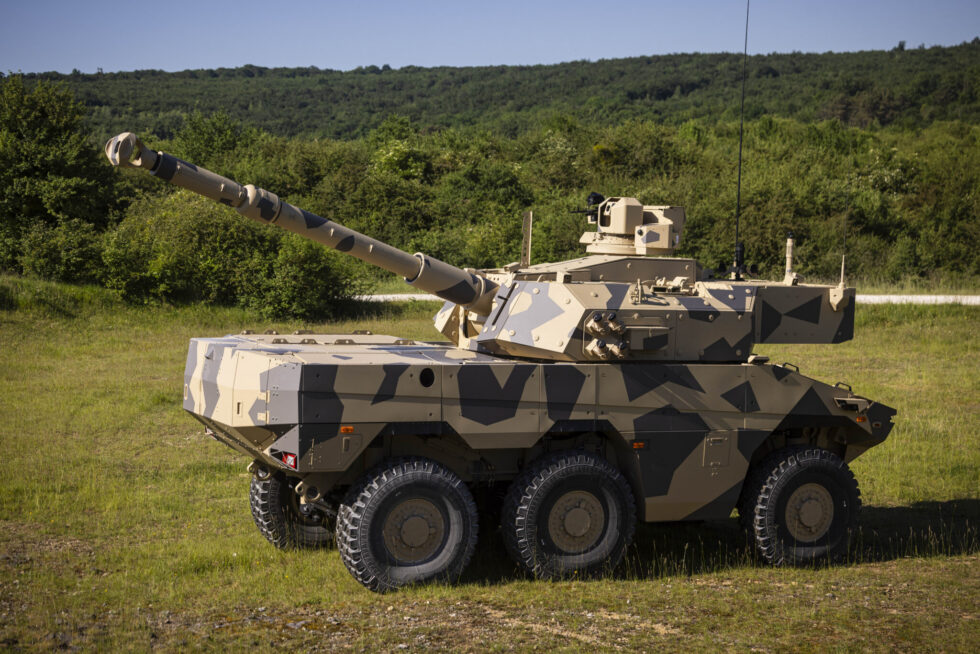

John Cockerill presents FENRIS, the only 26-tonne 6×6 vehicle on the market capable of carrying a 105 mm NATO gun
June 15th 2026
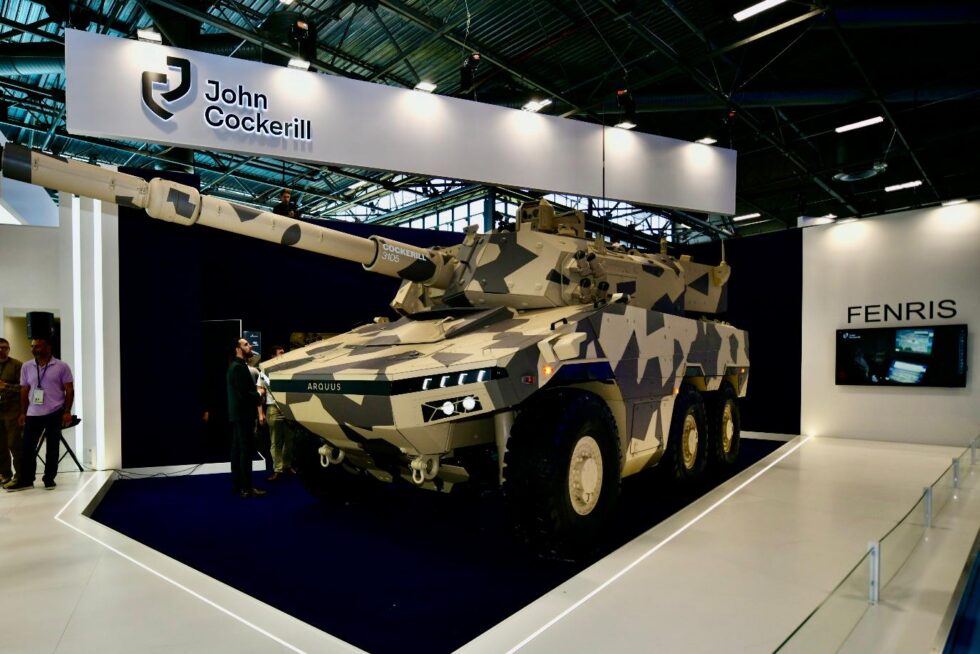
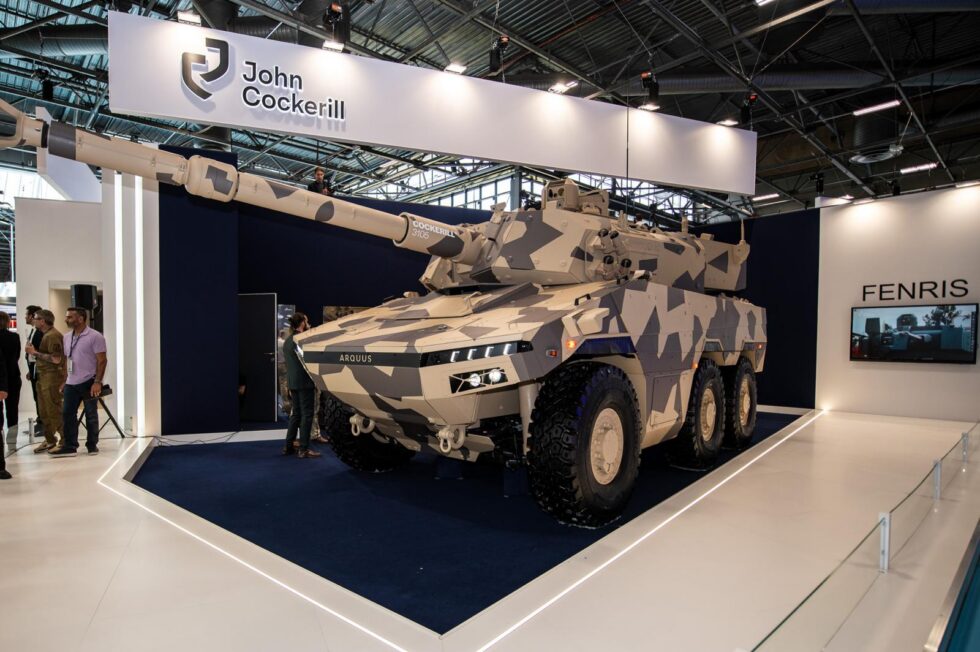
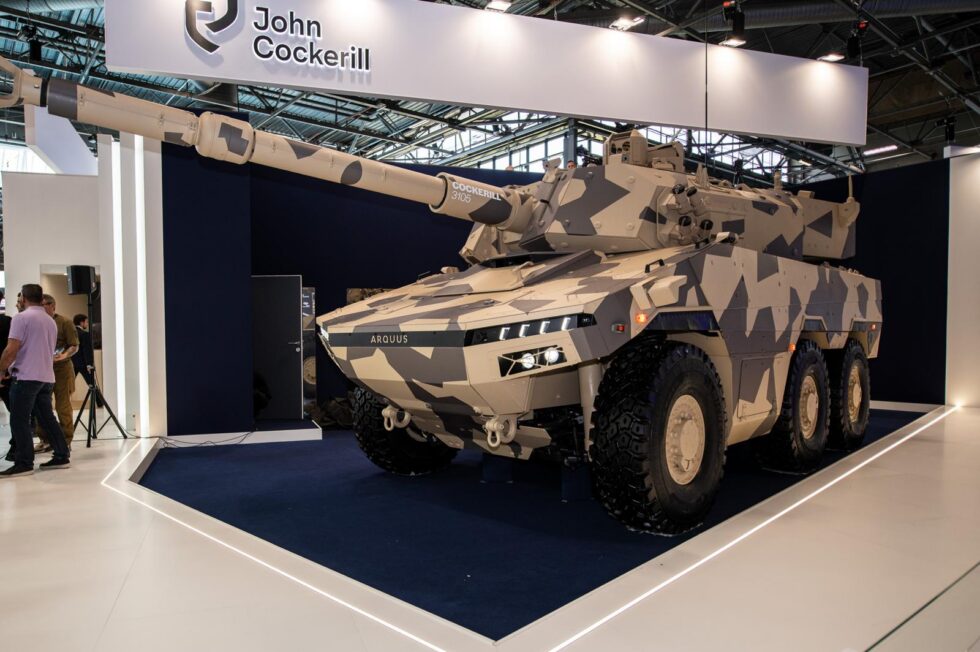
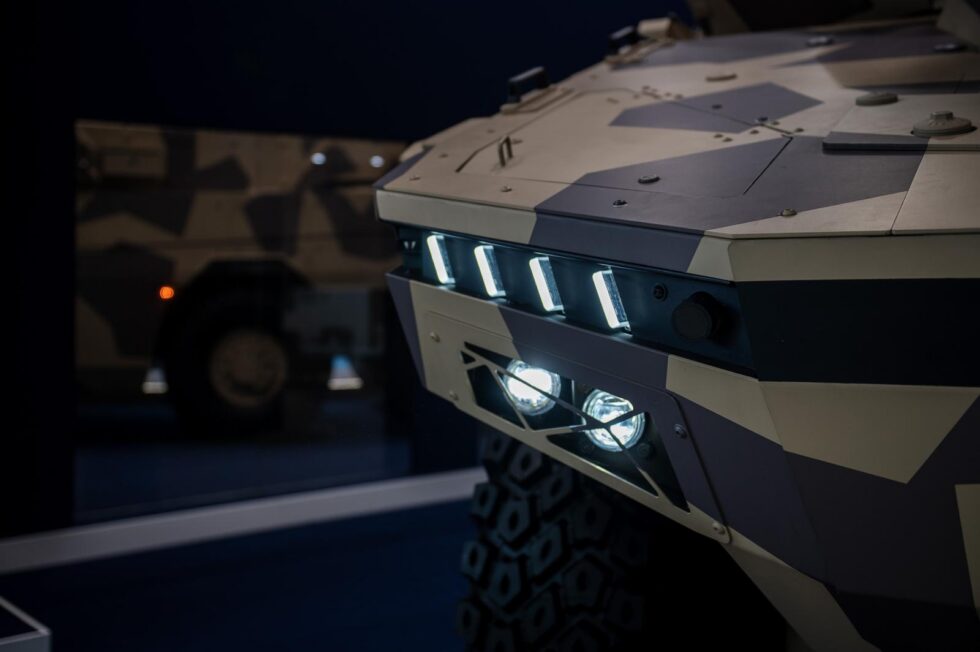
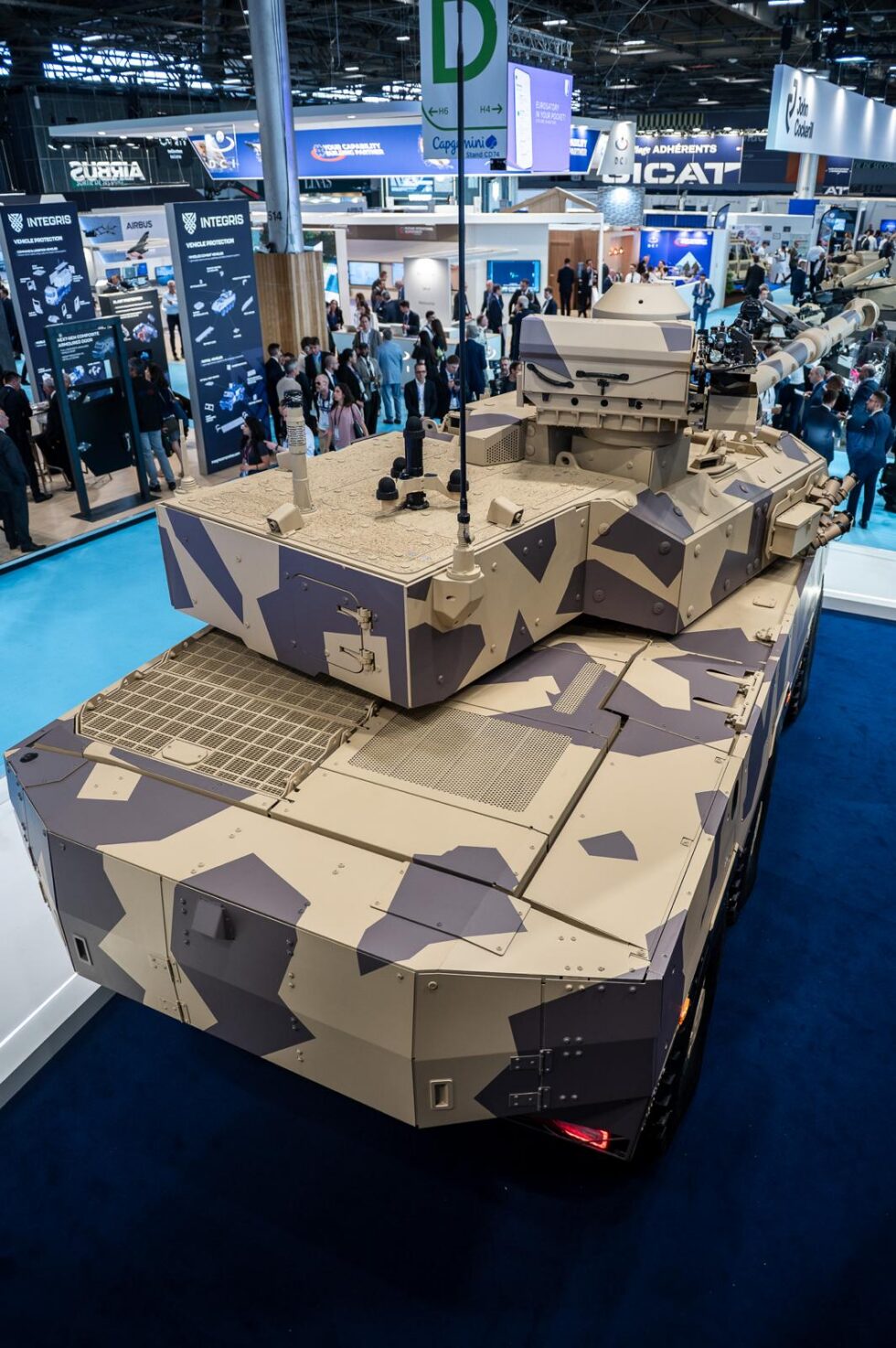
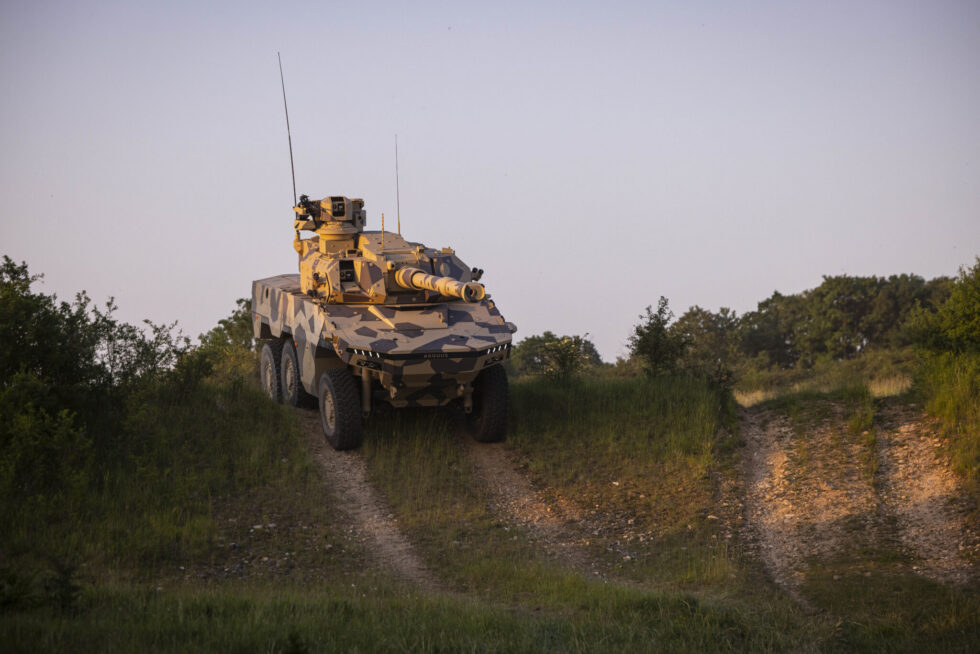
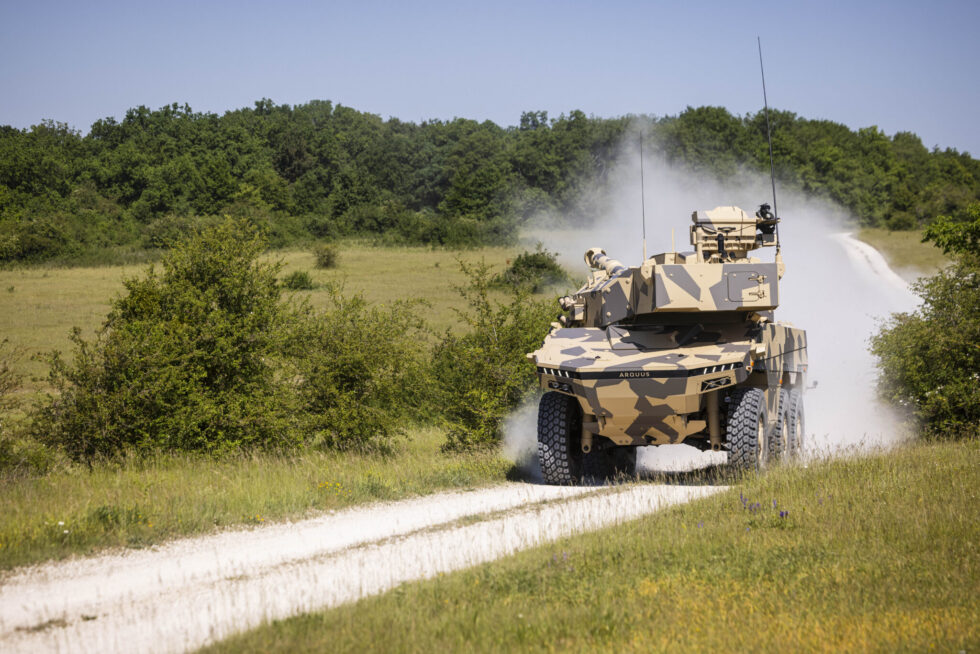
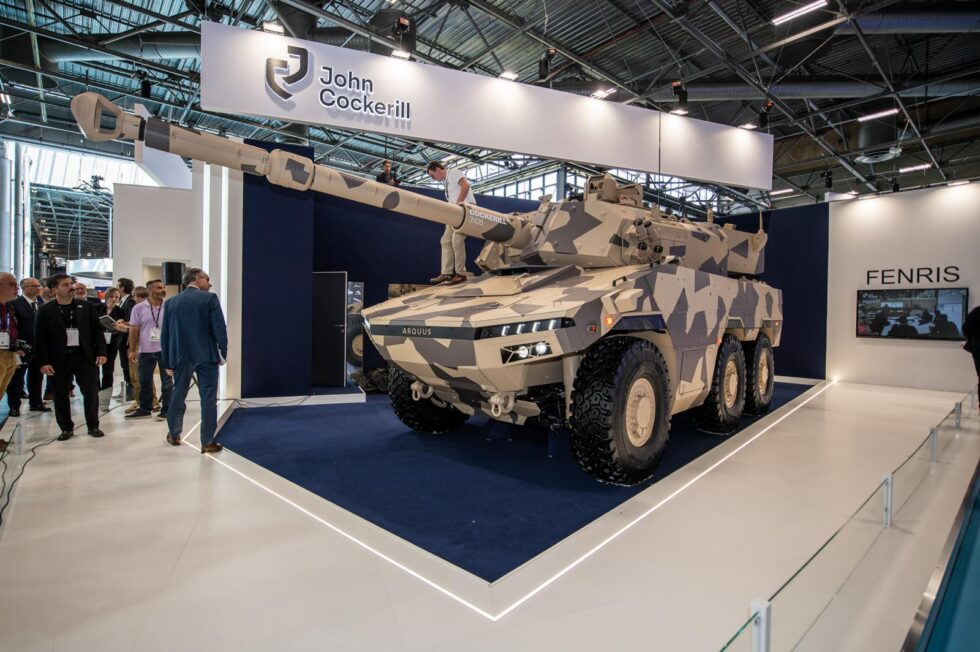
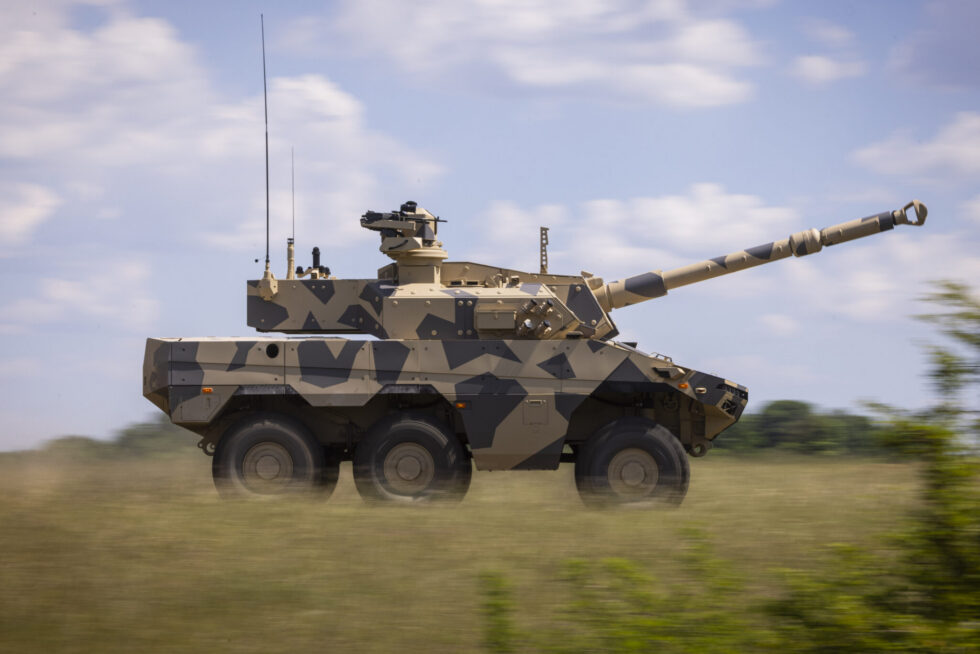
At Eurosatory 2026, John Cockerill Defense unveils its new combat vehicle: the FENRIS, the only 26-tonne 6×6 vehicle on the market capable of carrying a 105 mm NATO gun. Combining a 105 mm turret with a new high-performance 6×6 combat chassis, this vehicle brings together the excellence of Arquus© vehicles and Cockerill© weapon systems, each a benchmark in their respective markets. Presented nearly two years after the acquisition of Arquus by John Cockerill Defense, this strategic innovation symbolises the complementarity of John Cockerill Defense solutions in support of land forces worldwide.
The first vehicle developed by John Cockerill Defense since the acquisition of Arquus nearly two years ago, FENRIS was born from a shared observation among many armies regarding the need for direct fire support, which exists and persists on the modern battlefield.
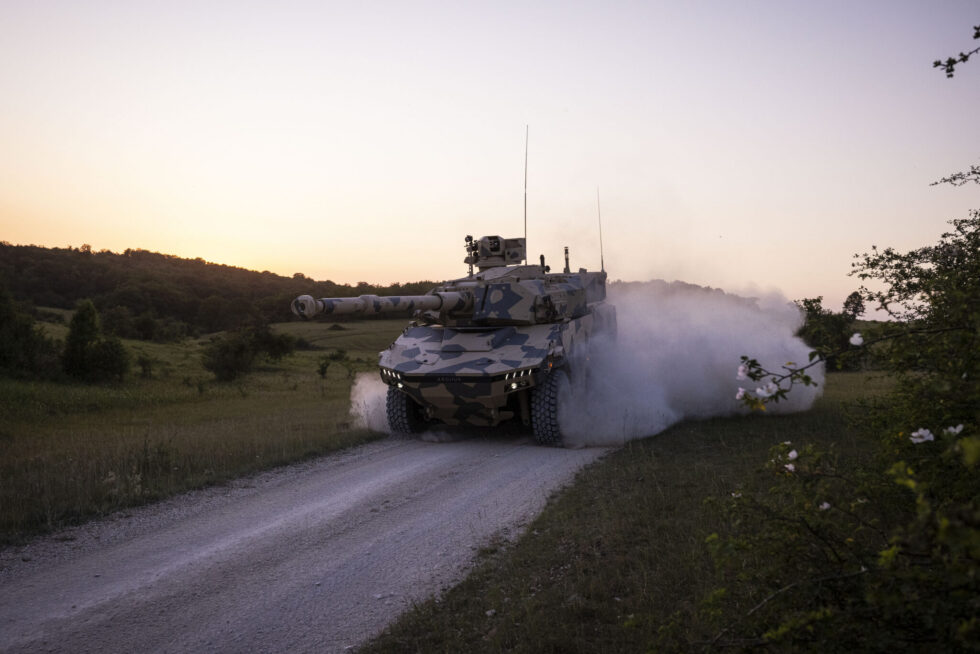
Thierry Renaudin, CEO of John Cockerill Defense and Chairman of Arquus: “FENRIS is John Cockerill Defense’s answer to this capability requirement. Weighing 26 tonnes in combat order, it is the only 6×6 armoured vehicle of this tonnage on the market equipped with a high-pressure 105 mm NATO gun. Highly agile, it also boasts excellent operational and strategic mobility: easily air-transportable, including by A400M in tactical flight, it can also deploy rapidly under its own power by road to bypass tactical bottlenecks or reach a theatre of operations autonomously.“
For reconnaissance assets, the key requirement is sufficient firepower to destroy enemy reconnaissance forces, including when equipped with medium and heavy combat vehicles. The high-pressure 105 mm gun is particularly well-suited to this role. It offers an excellent balance between delivered firepower, the versatility of its ammunition and effects, and its overall footprint. Combined with a lightweight turret, it enables relatively compact yet highly capable reconnaissance platforms to operate with discretion and surprise ahead of friendly forces: detecting and, where necessary, shaping the enemy’s disposition through fire.
Light and medium infantry formations, meanwhile, have a latent need for firepower, particularly when they encounter even moderately hardened enemy forces. Generally lacking large-calibre turrets, these units cannot fully meet their offensive requirements through missiles, FPV drones, loitering munitions, artillery or air support alone, notably due to availability and cost constraints. The contribution of a large-calibre direct-fire vehicle therefore remains essential for engaging the full range of targets encountered on the battlefield: armoured and unarmoured vehicles, buildings, entrenched infantry, fortified positions, and more.
Mobility quality: the vehicle’s greatest operational asset
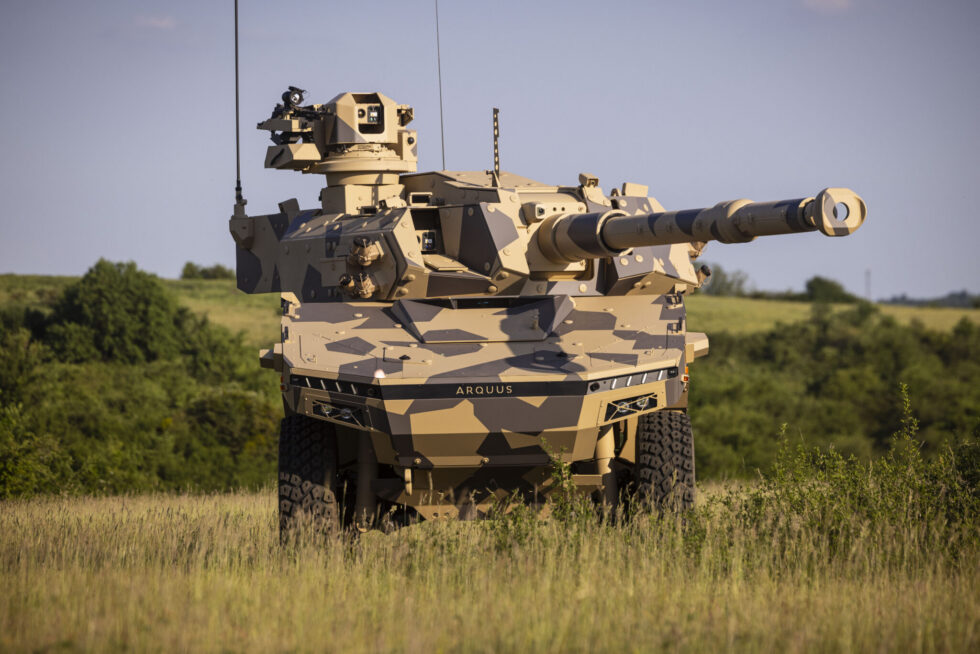
Emmanuel Levacher, Managing Director of Arquus: “Particular attention has been paid to the vehicle’s mobility, as it represents one of its greatest operational assets, and its first line of survival against the threats of the modern battlefield. A fully proprietary 6×6 chassis was specifically developed by Arquus, featuring a powerful 500 hp engine that delivers high torque while remaining remarkably quiet.” Fitted with 14.00 R20 or 16.00 R20 tyres and a centralised tyre inflation system, the running gear also features an active suspension system that allows the driver to control ground clearance variation as well as vehicle trim. The benefits are twofold: in terms of pure mobility, it enables FENRIS to adapt to varying terrain and overcome larger obstacles; in terms of survivability, the controlled suspension allows the vehicle to reduce its silhouette and “hug” a hull-down observation and firing position: a capability usually reserved for main battle tanks, and one that provides a genuine operational advantage for a hunter-killer like FENRIS.
The lightest 105 mm turret on the market
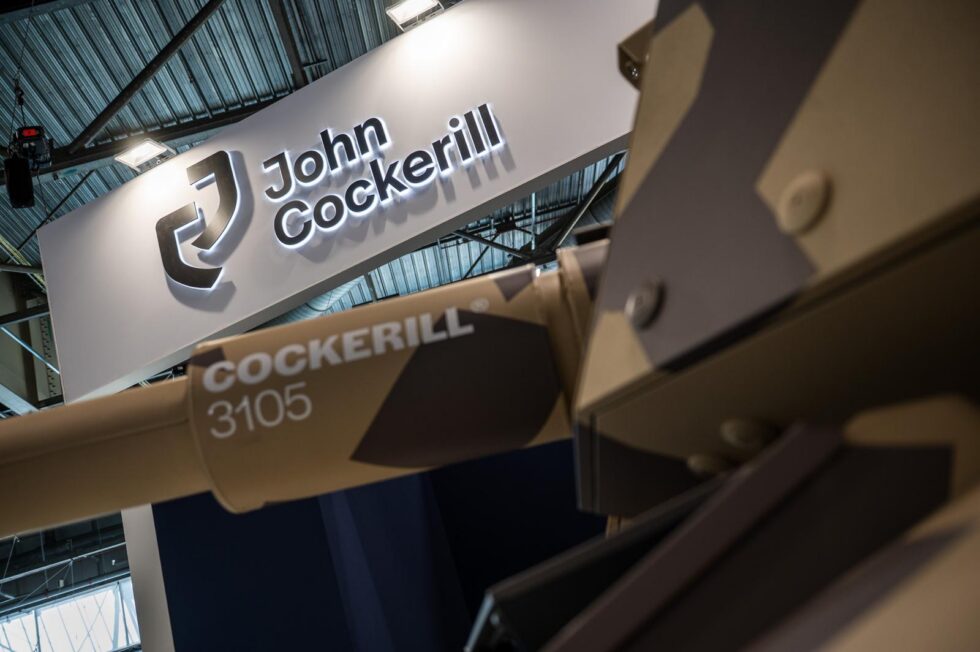
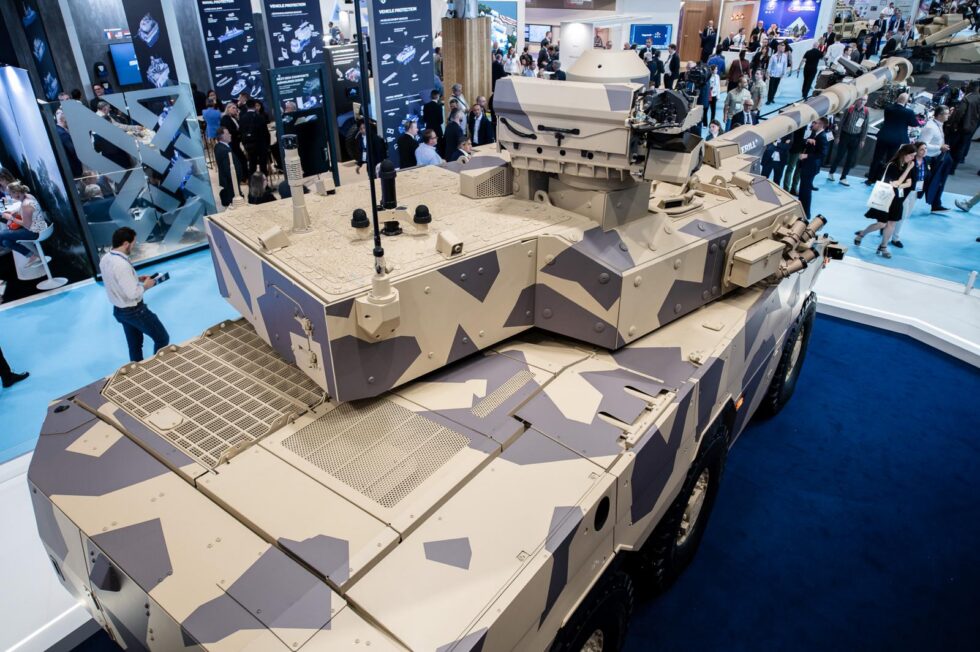
The heart of any combat vehicle is its weapon system. Frank Jansens, General Manager Weapon Systems at John Cockerill Defense: “FENRIS is fitted with a Cockerill 3105 turret housing the Cockerill® high-pressure 105 mm gun, compatible with all NATO ammunition on the market, and paired with a latest-generation fire control system natively integrating artificial intelligence for target acquisition and engagement. On FENRIS in particular, the 3105 combines several superlatives: as the lightest 105 mm turret on the market, it delivers a real additional mobility benefit to its carrier.” It also provides the two-axis stabilised main armament with excellent vertical elevation range, both in positive and negative angles. The crew is therefore able to engage targets located “up high”, upper floors of buildings, ridgelines, as well as from hull-down positions, on reverse slopes, or even beyond line of sight by acting as an improvised artillery piece.
Finally, drone self-protection is natively integrated into the turret: FENRIS features an entirely new iteration of the Hornet-S armed commander’s sight. In its C-UAS configuration, it combines one or more radars with its traditional 7.62 mm MAG 58 to provide autonomous self-defence capability. By merging three functions into a single system: commander’s observation through the optic, traditional close-in defence as a remote-controlled weapon station, and now an anti-drone capability, the Hornet S C-UAS delivers a real benefit to FENRIS in terms of turret roof footprint, and ultimately in terms of stealth and low observability.
By its characteristics, FENRIS is clearly not intended to replace modern main battle tanks, but rather to complement them with intelligence and flexibility. Precise and agile, it brings significant firepower to reconnaissance units with first-rate tactical mobility. It provides infantry formations, which often lack organic armour, with a highly versatile direct fire support capability. Its wheeled chassis also offers mobility fully consistent with medium formations, in terms of speed, range and air-transportability alike. All of this within a GVW of 26 tonnes, which would naturally predispose it towards countries whose topography, infrastructure and logistical resources are ill-suited to the acquisition of heavier combat vehicles.
Presented nearly two years after the acquisition of Arquus by John Cockerill Defense, this strategic innovation symbolises the complementarity of John Cockerill Defense solutions and demonstrates its ability to respond to the evolving needs of land forces worldwide.